Title: “We Would’ve Won Afghanistan Easy, but We Got Politically Correct”
Risk Transfer and the Resilience of Civilian Harm Mitigation During the War in Afghanistan, 2001–2020
Speaker: Dr Chris Fuller (University of Southampton)
Date & Time: Wednesday, 14 January 2026, 09:00-11:00
Location: Building 27, 2001 – Lecture Theatre 1
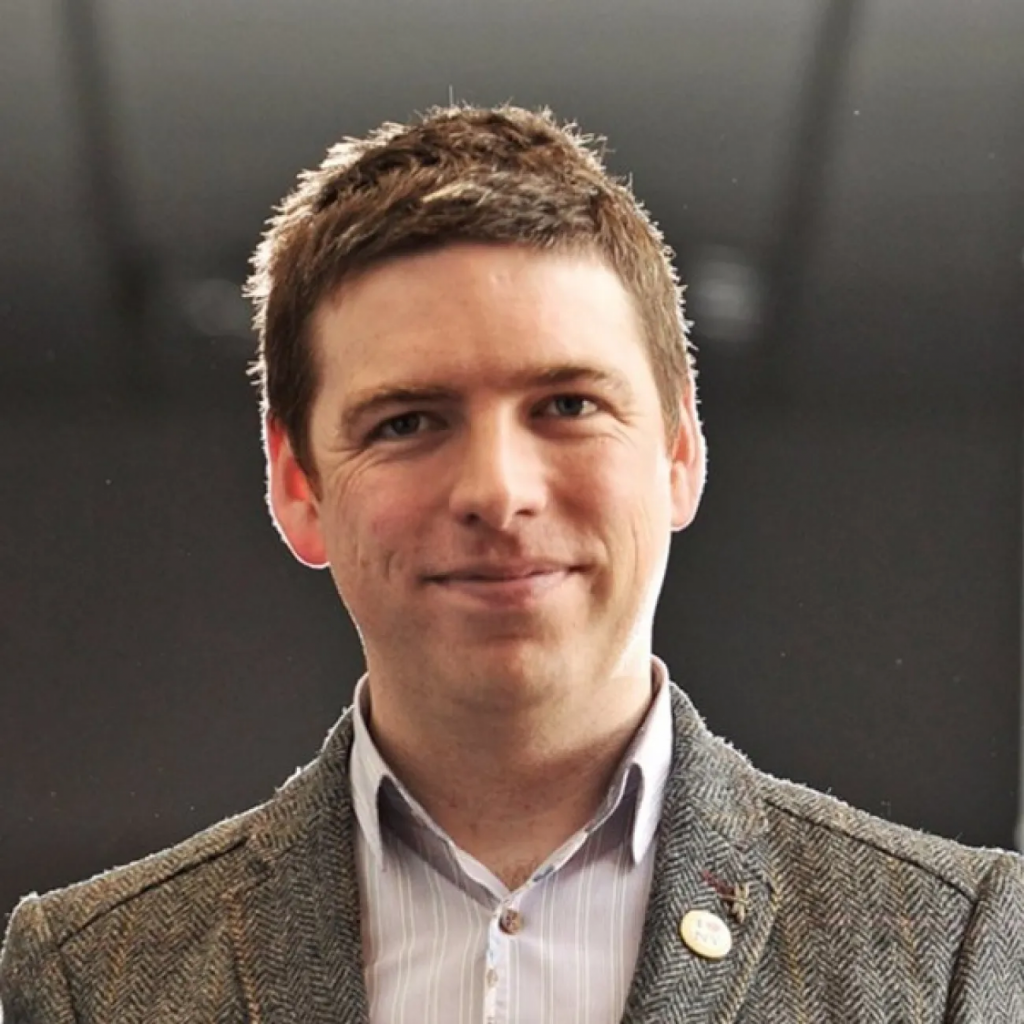
As part of the Programme for Interdisciplinary Resilience Studies Guest Speaker Series we have invited Dr. Chris Fuller (C.Fuller@soton.ac.uk) to host a PIRS seminar, “We Would’ve Won Afghanistan Easy, but We Got Politically Correct” Risk Transfer and the Resilience of Civilian Harm Mitigation During the War in Afghanistan, 2001–2020, on Wednesday the 14th of January 2026 from 09:00 until 11:00. The talk will be held in Building 100, Room 5013 on Highfield Campus.
Abstract: In 2024, Secretary of War Pete Hegseth ordered the closure of the Pentagon’s Civilian Harm Mitigation Centre of Excellence, claiming that its ethos — privileging the protection of non-combatants — fatally constrained the force required to win modern wars. Such attacks are not new. Throughout the twenty-year conflict in Afghanistan, civilian protection was repeatedly portrayed as a barrier to victory or, in the recent words of President Donald Trump, a symptom of “political correctness”. Yet despite political resistance, operational frustrations, and uneven execution, these norms have proved remarkably resilient. This talk asks why. Using Afghanistan as a case study, it explores the competing logics of risk transfer — shifting danger from combatants to civilians — and civilian harm mitigation as strategic, ethical, and culturally embedded imperatives. Drawing not only on military records, policy papers, and official rhetoric, the session reflects on resilience beyond policy by examining how popular culture and propaganda help shape expectations of “clean” warfare. The lecture argues that sparing civilians is resilient because it is not simply a tactical limit imposed on militaries, but a deeply ingrained expectation among US commanders, political elites, and significant portions of the American — and wider Western — public. Efforts to dismantle such an ethos in pursuit of what Hegseth dubs “enhanced lethality” risk eroding legitimacy and undermining the very principles of the international order the United States claims to defend. Written for an interdisciplinary cohort, the session highlights how such source bases expand our understanding of risk and resilience, inviting reflection on:
- how claims about risk circulate between institutions, media, and publics.
- how cultural artefacts operate as evidence;
- how states manufacture legitimacy and moral authority;
Please fill in this form to register for the event
Refreshments will be provided. This is also reflected in the PIRS Calendar on SharePoint
We look forward to seeing you there!